
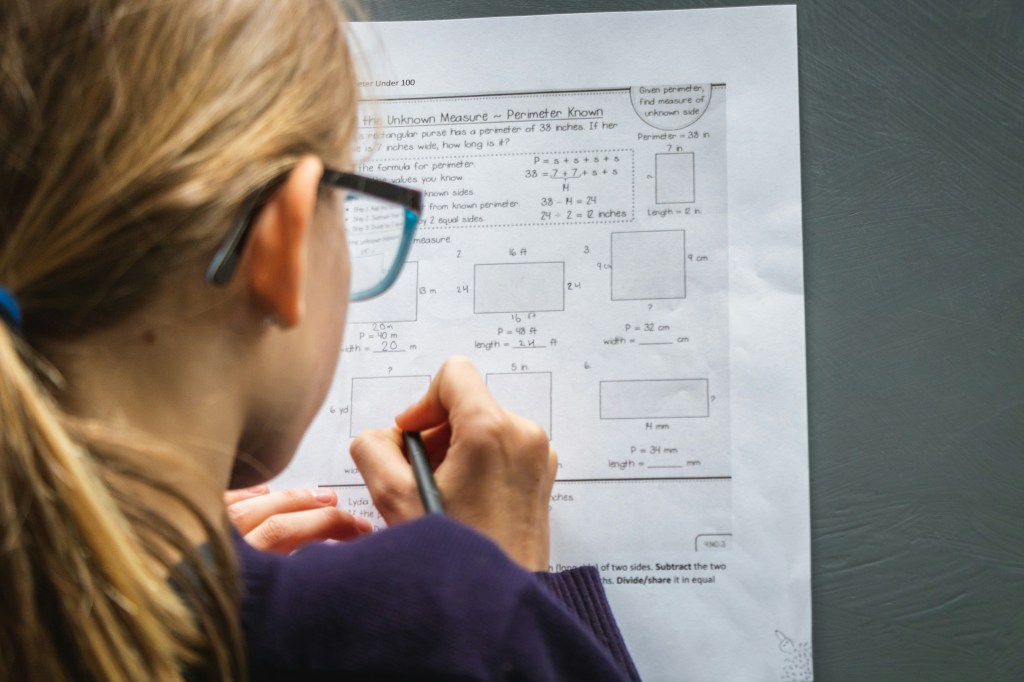
Your teen isn’t lazy.
They’re not unmotivated.
And they’re not broken.
They’re navigating a world designed for linear thinkers, instant gratification, and overstimulation—while their brain is still building the wiring for focus, follow-through, and organization.
What they need isn’t more pressure.
They need tools, structure, and a guide who knows how to walk beside them without judgment.
What Is Executive Function?
Executive function is the brain’s ability to organize, prioritize, manage time, shift focus, and regulate impulses.
It’s what helps us break down a big task into small steps.
It’s what lets us plan ahead, resist distractions, and recover from setbacks.
For teens with ADHD, anxiety, or learning differences, this system is still under construction.
As a private tutor and executive functioning coach, I’ve seen how quickly a teen can spiral—not because they don’t care, but because they don’t know how to approach the mountain in front of them.
The Parent Trap: Frustration and Micromanagement
If you’re a parent, you’ve probably asked:
- “Why won’t they just write it down?”
- “Why do they wait until the last minute?”
- “Why do they lose everything?”
- “How many times do I have to remind them?”
You’re not alone.
But nagging doesn’t build skills.
Shaming doesn’t build confidence.
What your teen needs is scaffolding—temporary support that helps them build lasting internal structure.
What Executive Function Coaching Looks Like
In my sessions, I combine academic mentorship with emotional regulation tools to help teens:
- Create systems that actually match their brain
- Break down assignments into clear, manageable steps
- Use calendars, visual trackers, and gentle reminders (without relying on parents)
- Develop self-compassion and confidence
- Practice mindfulness and grounding to reduce anxiety and overwhelm
Each student is different. The system must match them, not the other way around.
I also offer support for neurodivergent learners, including students with ADHD, sensory sensitivity, or anxiety-based shutdown patterns.
Why Tutoring Alone Isn’t Enough
Traditional tutoring often focuses only on the content—math, writing, science.
But if the real issue is disorganization, procrastination, or anxiety, no amount of content review will help.
That’s why my work integrates:
- Emotional intelligence
- Study strategies
- Personalized learning tools
- Regular reflection and progress planning
- A relationship of trust, so they feel safe enough to try
This is mentorship, not just tutoring.
It’s not about getting a perfect GPA.
It’s about helping your teen feel capable, calm, and in control of their own learning.
The Invitation
If your teen is struggling with time management, missing assignments, or overwhelm—
If school is becoming a daily battle—
If you want support that’s both practical and emotionally intelligent—
Let’s talk.Because when your teen gets the right kind of help, they don’t just pass a class.
They begin to believe in themselves again.
 B. Christopher Francis
Leave a comment